Summary
A deep frame is a widely shared idea about how the world works, or ought to – freedom, justice, community, responsibility – that a message can call up without naming it. The term comes from the study of framing in political communication, and is most associated with the cognitive linguist George Lakoff, who set deep frames against the surface frames of slogans.
Greenpeace’s handout ‘Hierarchy of Frames’ turns this into three levels. Surface message frames carry facts, data and policies and, it says, reach only people who already agree. Issue-based frames are narrower. Deep frames work “Across Political Lines”: “When something resonates deeply, it’s touched upon a deep frame.”
Rationale
Kin to the ‘deep narrative’ language we began with, and open to the doubt we came to have about it: a frame is what messages touch; a disposition also lives in bodies, habits and surroundings.
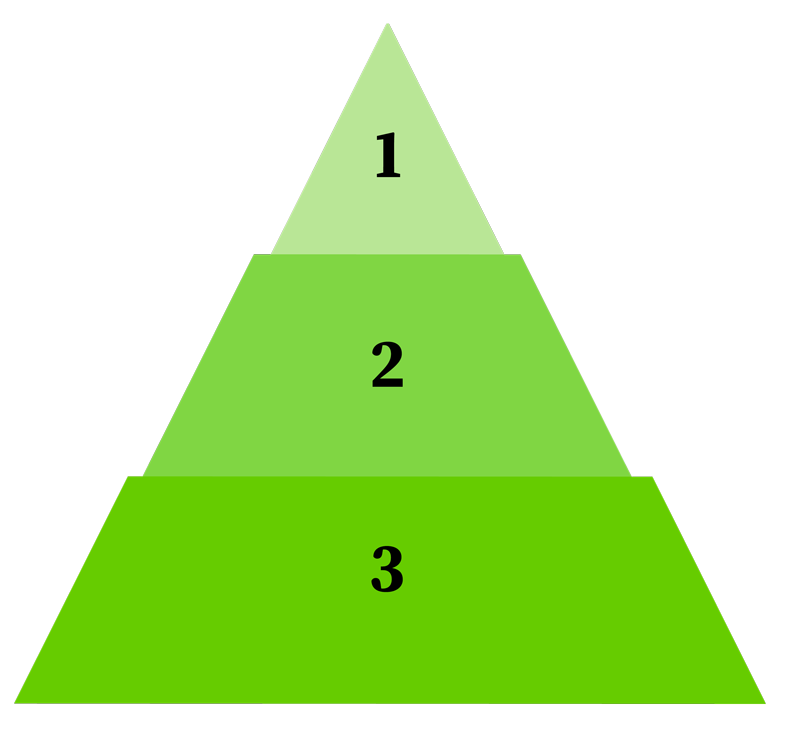 Source: storytelling.greenpeace.org